
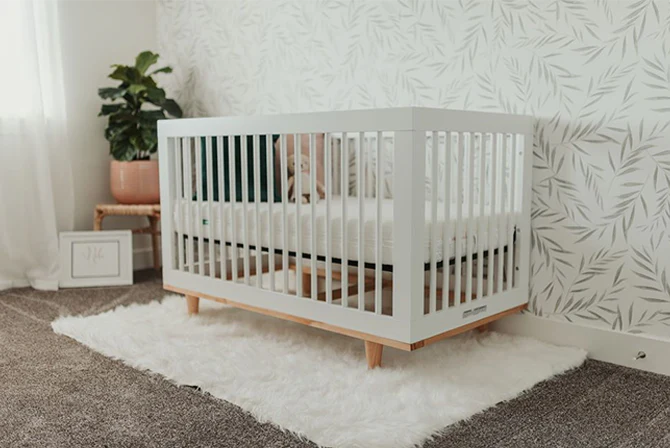
Choosing a crib for your little one is more than just picking out a cute place to sleep; it’s about ensuring their safety and comfort. As parents, we all want the best for our babies, and that starts with creating a secure sleeping environment. With so many options on the market, finding a safe crib can feel overwhelming. How do you know what features are essential? What should you look out for to avoid potential hazards? This crib buying guide will walk you through everything you need to consider when selecting the perfect crib for your baby’s nursery!
Importance of choosing a safe crib for your baby
A safe crib is crucial for your baby’s well-being. It serves as their sanctuary during sleep, where they spend a significant amount of time. A secure environment promotes peaceful rest and healthy development.
Parents often underestimate the potential dangers associated with cribs. The wrong choice can lead to accidents or injuries that could easily be prevented.
Safety features are not just additional perks; they are essential components designed to protect your child from harm. High-quality materials, sturdy construction, and compliance with safety standards make all the difference.
Factors to consider when buying a crib
When choosing a crib, size matters. Make sure it fits comfortably in your nursery while allowing enough space for movement around it.
Next, think about the material. Cribs made from solid wood usually offer durability and strength compared to composite materials.
Safety features are essential too. Look for cribs with adjustable mattress heights that can grow with your baby. This allows easier access when they’re small and helps prevent falls as they start to stand.
Check for certifications. Ensure the crib meets safety standards set by organizations like ASTM International or CPSC.
Common safety hazards in cribs and how to avoid them
When it comes to cribs, safety should never be an afterthought. As parents, you want peace of mind knowing your little one is secure while sleeping. Understanding common safety hazards can truly make a difference.
One major concern is the spacing between crib slats. Ensure that they are no more than 2⅜ inches apart to prevent any risk of entrapment. This small gap can mean the difference between safety and danger for your infant.
Another hazard arises from drop-side cribs, which have been banned in many places due to their risks. The mechanism used can malfunction or wear down over time, leading to potential accidents when the side drops unexpectedly.
Be cautious about bedding too. Soft items like pillows or blankets may seem cozy but pose suffocation risks for infants who can’t move yet. Opt for fitted sheets and keep the crib free from excess soft materials to create a safer sleep environment.