
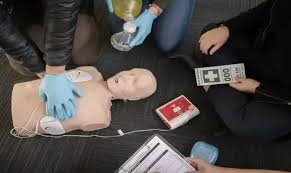
Emergencies can occur at any time and in any place. From minor accidents at home to serious incidents in public spaces or workplaces, knowing how to respond quickly can make a significant difference. Emergency awareness means recognising potential dangers, understanding how to react in critical moments, and having the confidence to assist others until professional help arrives. Many individuals develop these vital skills by enrolling in a first aid course Perth, where practical knowledge and hands-on training prepare them for real-life situations.
Emergency awareness is not limited to medical professionals or safety officers. It is a valuable skill for parents, teachers, office workers, and community members alike. When people understand how to recognise signs of injury or illness, they can respond calmly and effectively rather than feeling overwhelmed or helpless.
Learning To Recognise Emergency Situations
One of the most important parts of emergency awareness is learning to identify when someone needs help. In many cases, the first few minutes after an accident or sudden illness are critical. Recognising symptoms such as difficulty breathing, severe bleeding, loss of consciousness, or sudden chest pain allows bystanders to act quickly.
Training programs are intended to teach individuals how to safely analyse a situation and select the best reaction. Through structured lessons and scenario-based exercises, participants learn how to evaluate the environment, ensure their own safety, and provide assistance to those in need.
Many people who enrol in first aid courses Perth discover that the training helps them become more observant and prepared. Instead of reacting with panic during emergencies, they gain the confidence to think clearly and take responsible action.
Building Confidence Through Practical Training
Confidence is one of the most valuable benefits of learning first aid. Without training, people often hesitate during emergencies because they fear doing something wrong. However, education and practice remove much of that uncertainty.
Practical exercises allow participants to learn how to perform essential techniques such as CPR, wound care, and recovery positioning. Practising these skills in a controlled environment helps individuals understand the correct procedures and develop muscle memory for critical actions.
When people feel confident in their abilities, they are far more likely to step forward and assist others. This confidence can make a major difference in situations where immediate action is required before emergency services arrive.
Strengthening Community Safety
Emergency awareness not only benefits individuals. It also strengthens communities as a whole. When more people understand how to respond to accidents and health emergencies, the overall level of safety improves.
Communities with widespread first aid knowledge often experience quicker responses to incidents in public spaces such as schools, sports fields, shopping centres, and workplaces. Bystanders who know what to do can provide assistance while waiting for professional medical teams to arrive.
Participation in first aid courses Perth helps create a culture of preparedness where individuals look out for one another. This shared responsibility encourages people to be more attentive to their surroundings and more willing to assist during unexpected events.
Supporting Workplace Preparedness
Workplaces are environments where accidents can occasionally occur, especially in industries involving physical labour, machinery, or large numbers of employees. Emergency awareness in the workplace ensures that staff members know how to react if a colleague becomes injured or unwell.
Many organisations encourage employees to complete first aid training as part of their safety programs. Employees who learn basic first aid methods can offer prompt treatment, perhaps lowering the severity of accidents and enhancing results.
In addition to responding to incidents, trained staff members can also help identify hazards before accidents occur. This proactive approach supports a safer working environment and promotes a strong safety culture.
Everyday Benefits Of First Aid Knowledge
The advantages of learning first aid extend beyond emergency situations. The knowledge gained during training often increases general awareness of health, safety, and prevention.
Individuals become more aware of potential risks at home, such as slick surfaces, improper storage of sharp objects, and hazards that could cause falls or injury. Parents, caregivers, and teachers also benefit greatly from understanding how to respond if children become injured or unwell.
This awareness contributes to safer daily routines and encourages responsible decision-making. Instead of reacting only after an incident occurs, trained individuals often recognise and prevent potential risks before they become serious problems.
Encouraging Lifelong Preparedness
Emergency awareness is not something learned once and forgotten. It is an ongoing mindset that encourages preparedness and responsibility. People who complete first aid training often continue refreshing their skills over time to remain confident and capable.
Regular training updates help individuals stay familiar with recommended safety practices and improve their ability to handle different situations. This commitment to learning ensures that emergency awareness remains a valuable part of everyday life.
Conclusion
Building emergency awareness is an essential part of creating safer homes, workplaces, and communities. Individuals obtain the confidence and knowledge they need to respond successfully to accidents or medical emergencies via structured learning and hands-on practice. First aid education empowers people to recognise danger, act quickly, and support those around them during critical moments. By participating in first aid training, individuals not only improve their own preparedness but also contribute to a more resilient and responsible community.