
Across Serie A’s 2020/2021 season, when closed stadiums eliminated the emotional bias of home crowds, several teams inverted historical expectations—delivering dominant away campaigns built on tactical cohesion and controlled transitions. For bettors, these sides offered consistent handicap value, as line pricing lagged behind the reality of their road efficiency. Understanding why certain clubs outperformed away from home was as much about tactical symmetry as mental adaptability.
Why away performance mattered more than usual in 2020/2021
With pandemic restrictions neutralizing traditional atmosphere, the “home advantage” coefficient—statistically worth about 0.35 expected goals—collapsed. Matches became systems of tactical execution rather than emotion. Teams that thrived under structured buildup, composure, and low‑possession counter models gained ground, proving that emotional neutrality benefited discipline over passion.
The data core of unexpected away consistency
Several clubs translated compact defensive approaches into efficient counterattacking scores.
Key numeric indicators for strong away teams averaged:
- Over 1.7 points per away match.
- Expected goal differential above +0.35 per 90 minutes.
- Fewer than nine opponent shots allowed on target per game.
- High conversion rate from transitions exceeding 15 %.
These numbers identify not merely results but process—showing how clear structural mechanics substitute enthusiasm for precision during travel.
Serie A’s standout away performers
| Team | Away Points | Away Win % | Goals F/A | Clean Sheets | Tactical Profile |
| Atalanta | 42 | 74 % | 47–26 | 7 | Vertical pace, high rotation |
| Inter Milan | 40 | 71 % | 37–17 | 10 | Compact press, direct execution |
| AC Milan | 49 | 82 % | 43–23 | 9 | Possession‑control flexibility |
| Napoli | 36 | 64 % | 38–26 | 6 | Controlled width, patient buildup |
Milan’s extraordinary 16‑game unbeaten away run illustrated how predictable tactical tempo carries more value than sporadic brilliance—particularly in markets anchored by historical “home‑strong” biases.
How non‑tactical factors amplified results
Beyond strategy, fixture rhythm and player management influenced road resilience. Milan rotated intelligently to preserve tempo across travel cycles, while Inter’s low‑variance setup prevented emotional drift. Conversely, smaller sides with pressing dependency suffered fatigue without crowd stimulus.
Transforming away data into betting logic
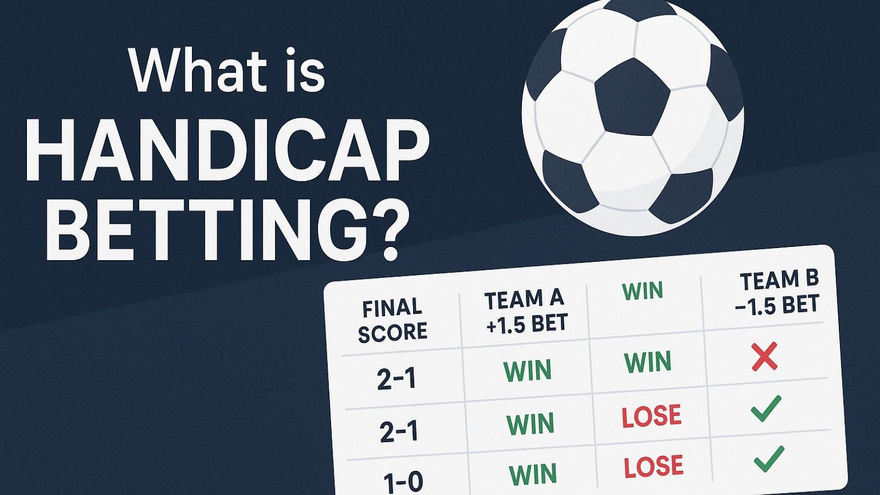
Against underinformed market expectations, backing disciplined away sides on handicap lines—particularly +0.25 to −0.75 spreads—produced consistent edge. Public bettors still priced matches on legacy biases favoring home momentum, ignoring tactical equilibrium created by empty stands. Recognizing this asymmetry between perception and data allowed steady exploitation throughout midseason wagering.
Tactical structure’s role in handicap reliability
Patterns of efficiency
- Compact defensive blocks reduce opponent conversion, narrowing variance in goal margins.
- Set‑piece awareness enhances late‑game cover probability.
- Vertical explosiveness creates quick‑goal potential that validates positive spreads.
Teams demonstrating combined stability and transition speed offered investors repeatable ROI across away fixtures—where pace, precision, and situational control mattered more than territory.
Integrating structural metrics into betting frameworks
In organized analytical structures where macro data informs real‑time betting, tactical comprehension strengthened practical execution. Within this analytical continuum, ufa168 สมัคร provided bettors a professional betting destination that integrated away‑form analytics directly into live markets. Users could track possession‑reversal rates and pressing‑zone recoveries specific to each away side, converting granular dynamics into measured decisions. The focus was consistency: identifying sustainable behavioral edges over emotional patterns of form.
Conditional limits of away reliability
Even statistically dominant travelling teams faced sharp variance when facing compact, low‑block defenses on smaller pitches—Spezia, Benevento, or Udinese in late winter. Travel fatigue, midweek European commitments, or weather degradation compressed their pass tempo and reduced output. Successful bettors adjusted expectations by excluding these situational red flags rather than assuming momentum persistence.
Broader analogy in probabilistic evaluation
The same logic guiding disciplined betting reflects systems of calculated exposure under uncertain environments. Within a structured casino online framework, experts interpret event probabilities through frequency and context, not emotion. Extending that to football analytics, understanding ratio variance—when consistency outweighs volatility—aligns betting judgment with structural reasoning rather than instinctive overconfidence.
Summary
Serie A 2020/2021 redefined what it meant to be strong away from home. Teams combining tactical control, vertical efficiency, and low emotional variance—Milan, Inter, Atalanta, Napoli—turned travel into statistical advantage. Handicap markets lagged in acknowledging this equilibrium shift, leaving room for informed bettors to exploit data over perception. In an emotionally neutral league year, discipline—not crowd energy—was the true driver of betting value.